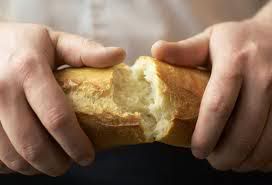
We have made sourdough bread on and off for years, but for the last year or so I have made it quite regularly most weeks.
Here is our trusted sourdough bread recipe. It makes two 500g loaves.
The first thing you have to do is make a sourdough starter. It takes a few days and is quite time consuming, but once you have the starter it's always there ready for you to use. If you look after it it will last for ages. Like I said, mine is at least a year old.
Whilst writing this blog I did some reading up about sourdough.
Sourdough bread is made by the fermentation of dough using naturally-occurring lactobacilli and yeast. Sourdough bread has a mildly sour taste not present in most breads made with baker's yeast and better inherent keeping qualities than other breads, due to the lactic acid produced by the lactobacilli.
Sourdough bread is traditionally made with Rye flour, which contains relatively little gluten and therefore doesn't rise well with yeast alone.
Sourdough is teeming with bugs—some 50 million yeasts and 5 billion lactobacilli bacteria in every teaspoon of starter dough.
These two websites will tell you a bit more if you are interested.
http://discovermagazine.com/2003/sep/featscienceof
https://en.m.wikipedia.org/wiki/Sourdough
You keep the starter in a clean airtight container where it lives in a semi-dormant state - only to be revived when you take it out into the warmth and feed it (with flour).
If you make bread regularly, that will be enough to keep it going. If you don't bake regularly, you should remember to feed your sleepy starter once a week. A teaspoon full of sugar per week is enough.
As the recipe suggests you take a cup full of the starter out of the fridge the night before you want to bake, add warm water and bread flour and leave it covered in a warm place.
For this stage I tend to use white strong bread flour as I find it keeps the starter smooth and consistent.
During the night the yeast and lactobacilli come to life and get moving. By morning the mix should have formed bubbles like this.

Then you add the remaining ingredients.
At this stage I like to dabble with different flours. In addition to the white flour I like to use rye flour. It's more expensive than wheat flour, but adds taste and texture. I have also tried wholemeal flour and spelt flour, and I like to add some seeds.
Be aware though that different flours may react slightly differently. Wholemeal flour, for example, seems to absorb more water and can make the dough dry.
Bear in mind that you can always add more flour, but it's difficult to add more water to an already formed dough. So keep some flour aside to add as necessary, rather than dump it all in.
Knead the dough until it is elastic but not sticky. If it's sticky, sprinkle more flour onto the work surface to knead in.
I have never used a mixer and always knead my bread by hand.
When the dough is ready, place it in a bowl, cover with cling film and leave in a warm place to rise.

It should double in size ...

When the dough has risen, cut in into two halves to form into two loaves. There should be air pockets formed within the dough.

Shape the loaves, cutting slashes across the top and leave to rise until doubled in size again.
Then bake at gas mark 5/ 375 F/ 190 C for approximately 50 minutes or until the loaves sound hollow when tapped at the bottom.
I like my crust hard, so I brush the loaves with salt and/or honey water every 10 minutes or so whilst baking.
The loaves are flat, but tasty. Best with just butter I think.

Enjoy!
And please share your own thoughts, recipes and experiences.
Sourdough bread is traditionally made with Rye flour, which contains relatively little gluten and therefore doesn't rise well with yeast alone.
Sourdough is teeming with bugs—some 50 million yeasts and 5 billion lactobacilli bacteria in every teaspoon of starter dough.
These two websites will tell you a bit more if you are interested.
http://discovermagazine.com/2003/sep/featscienceof
https://en.m.wikipedia.org/wiki/Sourdough
You keep the starter in a clean airtight container where it lives in a semi-dormant state - only to be revived when you take it out into the warmth and feed it (with flour).
If you make bread regularly, that will be enough to keep it going. If you don't bake regularly, you should remember to feed your sleepy starter once a week. A teaspoon full of sugar per week is enough.
As the recipe suggests you take a cup full of the starter out of the fridge the night before you want to bake, add warm water and bread flour and leave it covered in a warm place.
For this stage I tend to use white strong bread flour as I find it keeps the starter smooth and consistent.
During the night the yeast and lactobacilli come to life and get moving. By morning the mix should have formed bubbles like this.

Then you add the remaining ingredients.
At this stage I like to dabble with different flours. In addition to the white flour I like to use rye flour. It's more expensive than wheat flour, but adds taste and texture. I have also tried wholemeal flour and spelt flour, and I like to add some seeds.
Be aware though that different flours may react slightly differently. Wholemeal flour, for example, seems to absorb more water and can make the dough dry.
Bear in mind that you can always add more flour, but it's difficult to add more water to an already formed dough. So keep some flour aside to add as necessary, rather than dump it all in.
Knead the dough until it is elastic but not sticky. If it's sticky, sprinkle more flour onto the work surface to knead in.
I have never used a mixer and always knead my bread by hand.
When the dough is ready, place it in a bowl, cover with cling film and leave in a warm place to rise.

It should double in size ...

When the dough has risen, cut in into two halves to form into two loaves. There should be air pockets formed within the dough.

Shape the loaves, cutting slashes across the top and leave to rise until doubled in size again.
Then bake at gas mark 5/ 375 F/ 190 C for approximately 50 minutes or until the loaves sound hollow when tapped at the bottom.
I like my crust hard, so I brush the loaves with salt and/or honey water every 10 minutes or so whilst baking.
The loaves are flat, but tasty. Best with just butter I think.

Enjoy!
And please share your own thoughts, recipes and experiences.